
Industry Insights & Opinion

INDUSTRY INSIGHT: The Digital Switch: Textile Technologies Reshaping an Industry at Fespa 2026
Digital transformation doesn't announce itself.
It accumulates - one innovation at a time - until an entire industry looks back and realises the ground has shifted beneath its feet. That's precisely where textiles stands today.
The conversations happening now about AI, automation, sustainability, and digital product passports are not theoretical. They are shaping decisions being made on factory floors and in boardrooms right now.

DESIGNER CASESTUDY: Marylène Madou: Crafting a Sustainable Future with Digital Print
“By leveraging advanced digital textile printing, Marylene Madou has successfully merged traditional craftsmanship with cutting-edge technology. Her approach offers a blueprint for how independent designers can scale their brands globally while maintaining a minimal environmental footprint.”
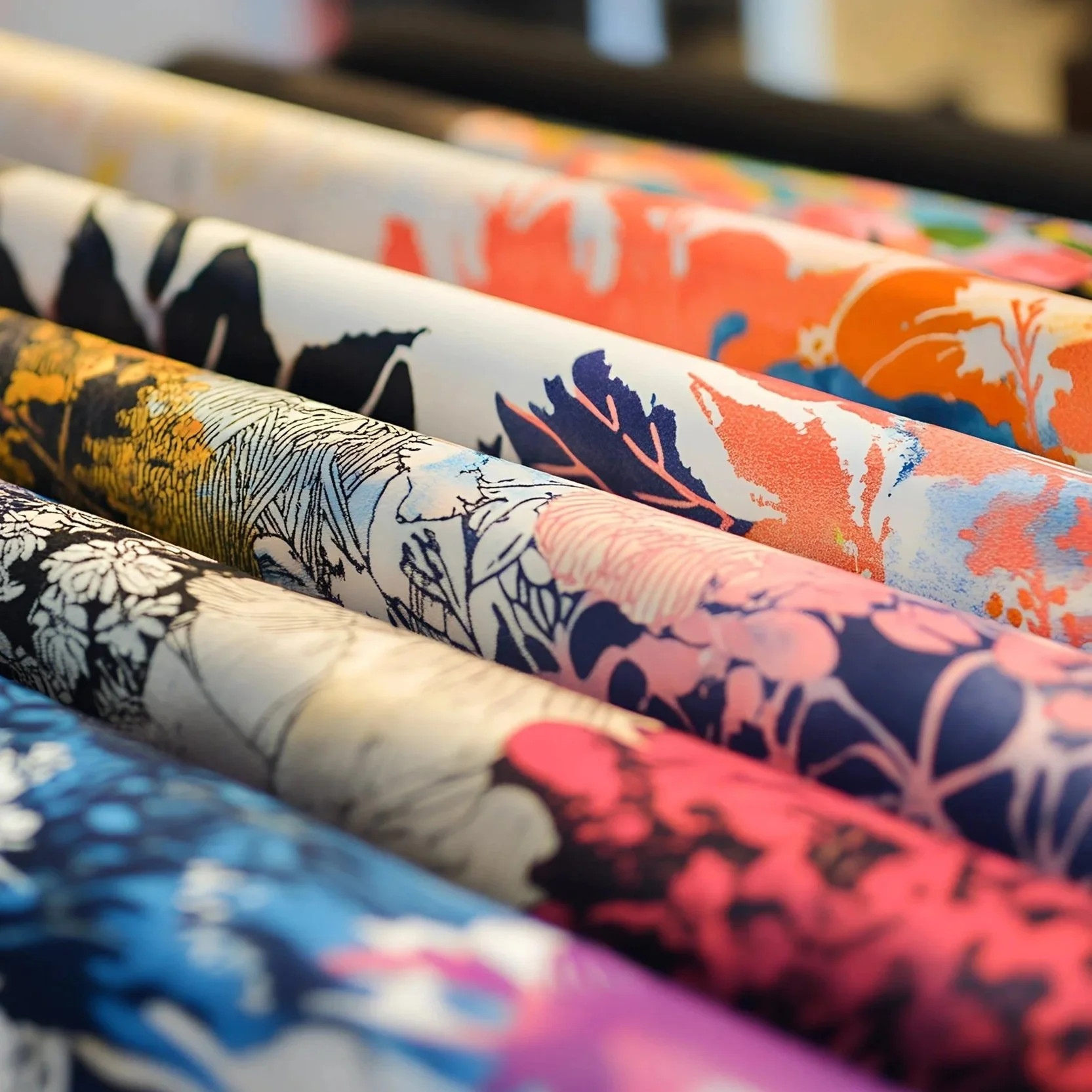
INDUSTRY INSIGHT: The Digital Product Passport (DPP) What Every Textile Printing Business Needs to Know
What Is the Digital Product Passport?
At its core, a Digital Product Passport is a digital record attached to a physical product - typically accessed via a QR code, NFC chip, or barcode – that documents everything about that product across its entire lifecycle.
For a printed textile product, this means the DPP would capture data on the substrate, inks and dyes used, the printing process and technology, chemical compliance, environmental impact (including water and energy use), supply chain traceability, and end-of-life instructions.
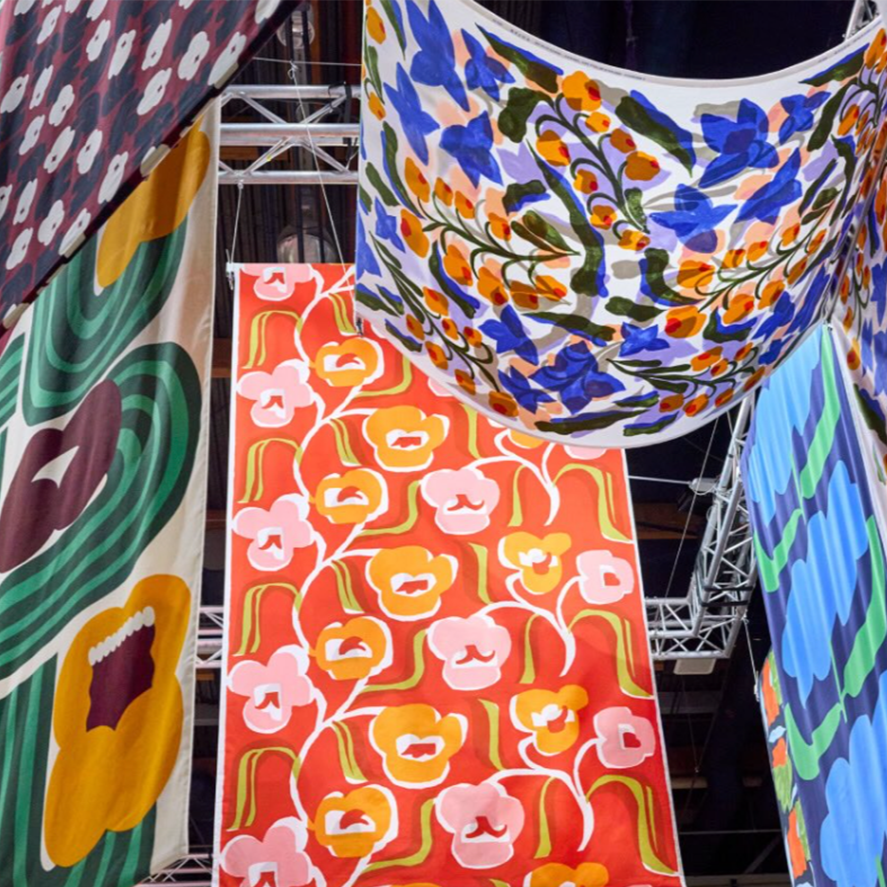
CASE STUDY: How Marimekko Turned Bold Prints Into a Global Blueprint - from the banks of the Seine to the markets of Asia-Pacific
From Helsinki's printing mill to Paris's Le Marais, discover how Marimekko is scaling a design-led brand with purpose, craft, and bold innovation.
But what makes Marimekko's story compelling is not just its aesthetic legacy?
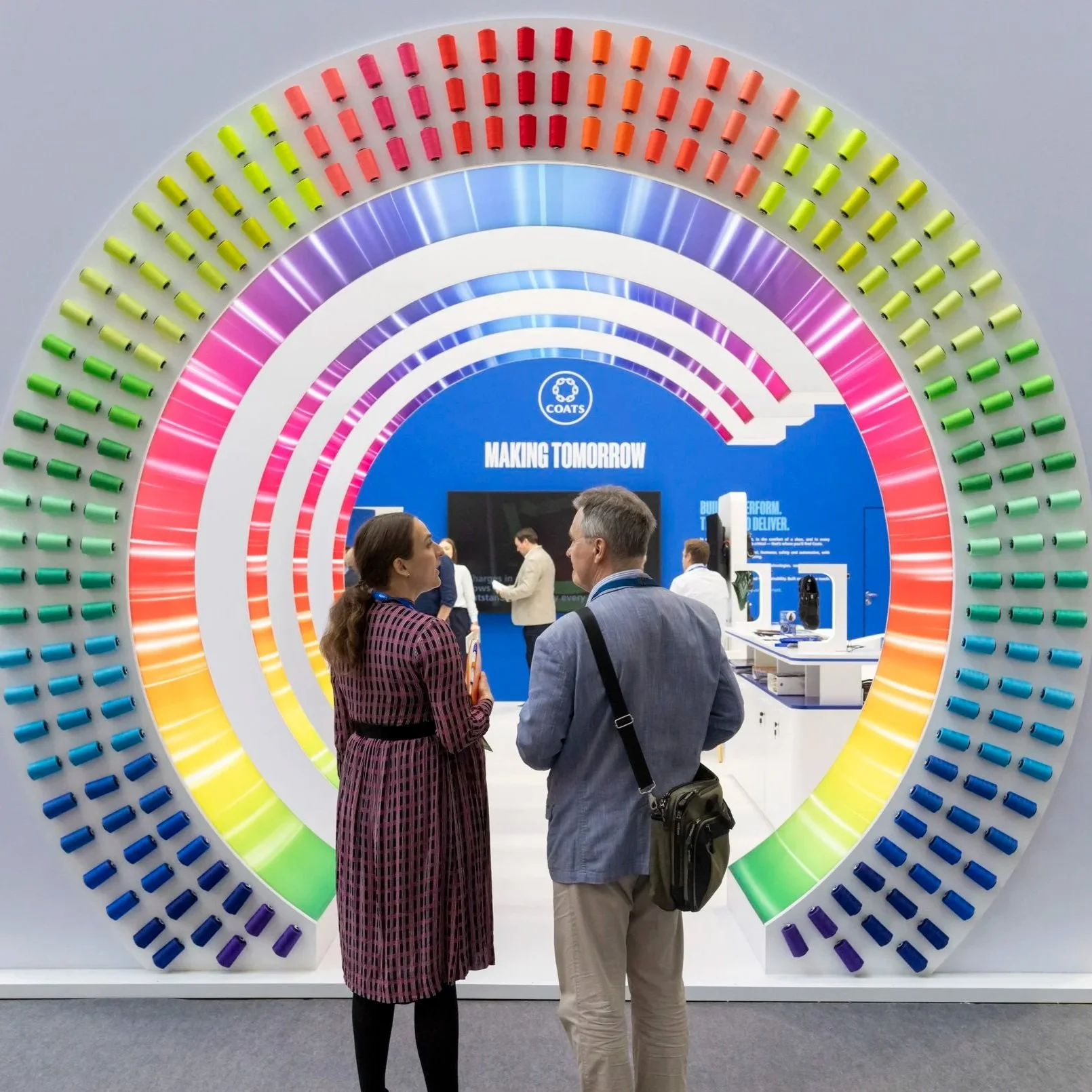
INDUSTRY INSIGHT: Techtextil and Texprocess 2026: Navigating Market Shifts Through Speed, Connectivity, and Sustainable Innovation
The textile industry is undergoing a vital transformation. As the insights from Techtextil and Texprocess reveal, the path forward relies on a combination of sustainable hardware, intelligent chemistry, and seamless digital workflows.
From Zimmer's industrial-scale energy reductions and Stratasys's on-demand 3D embellishments, to Kornit's single-step technical printing and the unified digital ecosystems of NedGraphics and Optitex, the tools for change are here. To stay competitive, brands and manufacturers must adopt these innovations, moving away from fragmented, wasteful processes towards a truly connected, circular economy.
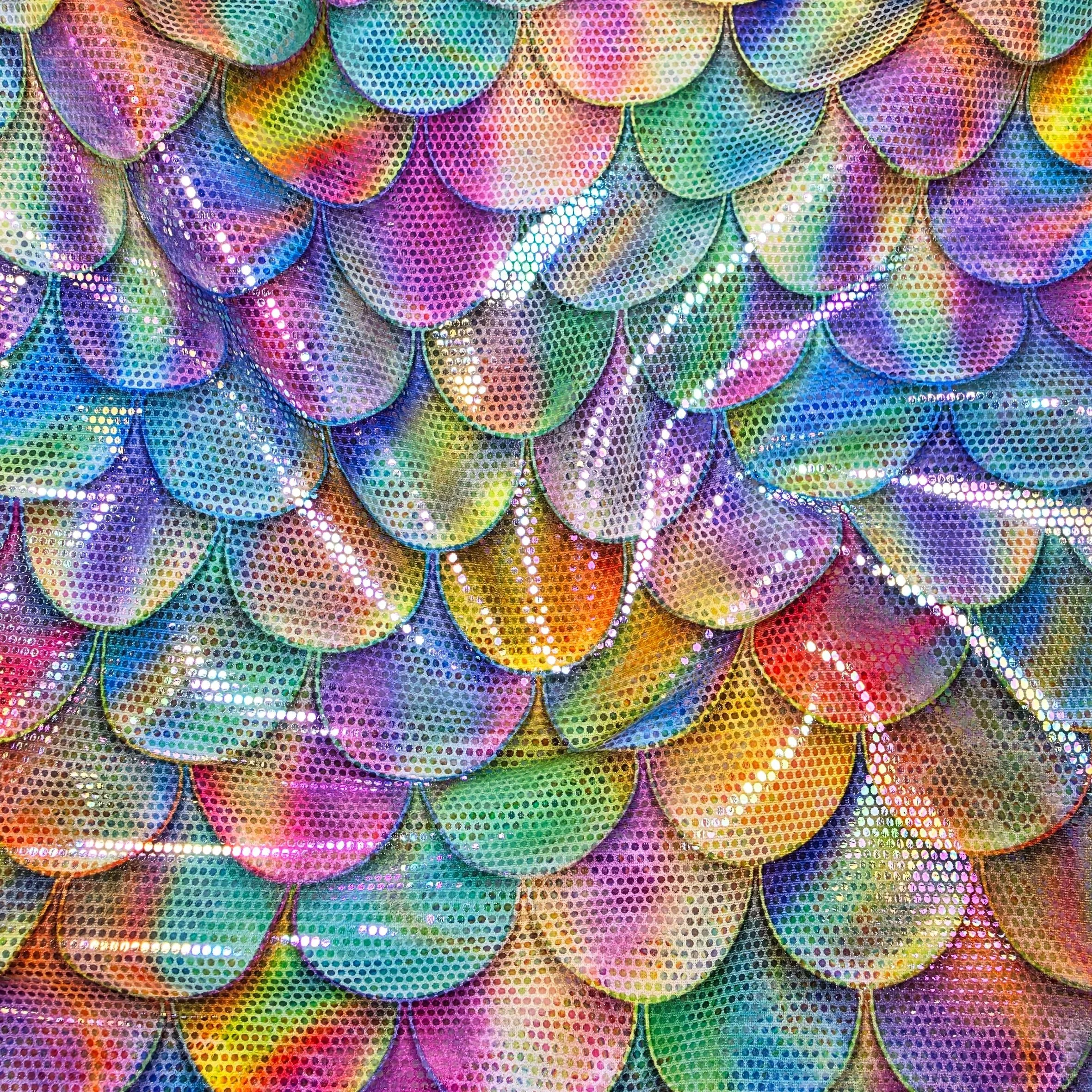
CASE STUDY: Friedmans: Mastering Bespoke Textile Printing for a Global Market with Forward Thinking Innovation
Friedmans stands as a testament to the power of combining traditional textile knowledge with forward-thinking innovation.
“Operating from their UK headquarters, Friedmans now serves a diverse array of sectors, including swimwear, dance, entertainment, sportswear, interior decor, prosthetics, and even pet apparel. With a strategic supply chain that reliably serves clients worldwide”
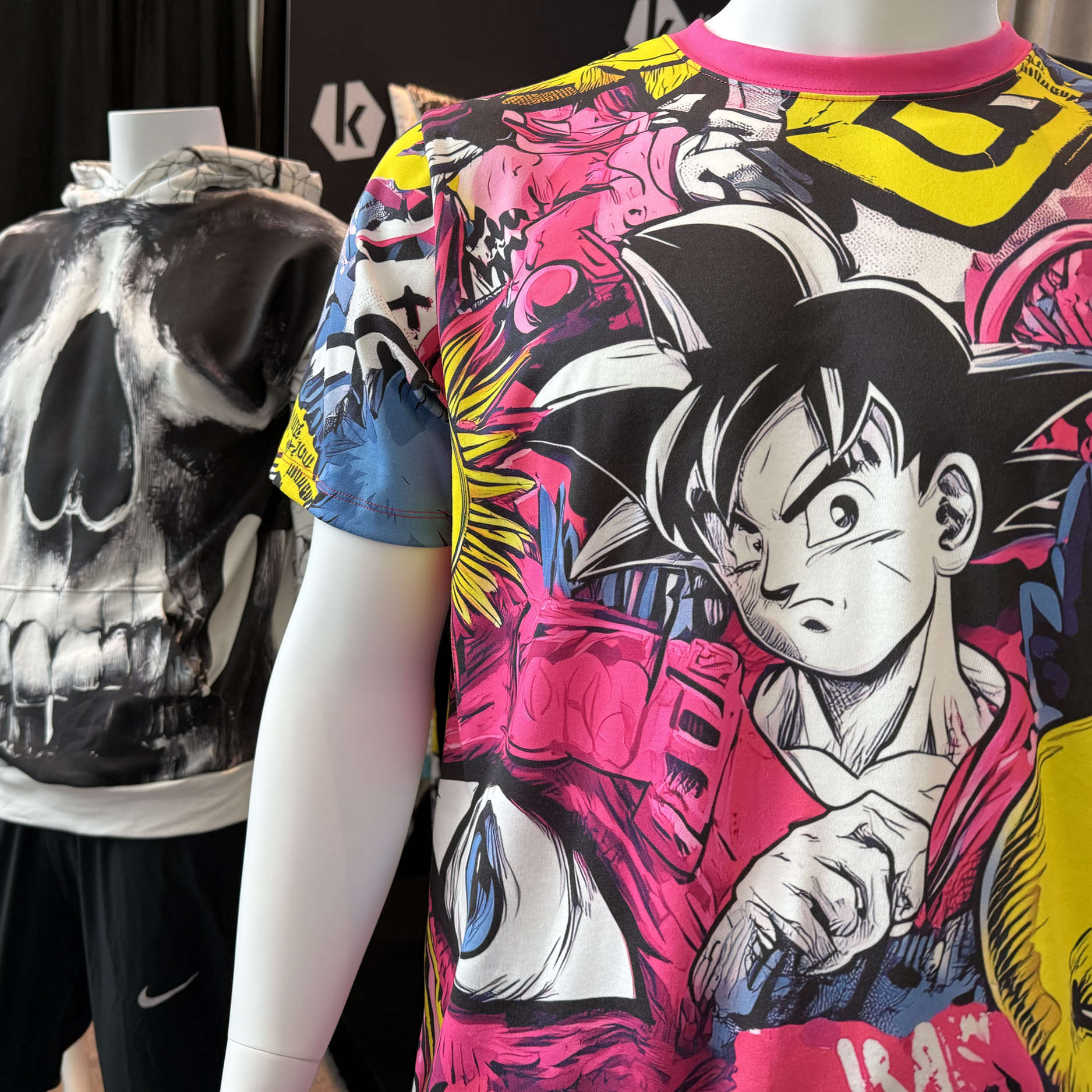
INDUSTRY INSIGHT: Powering the Global Print on Demand Community with Pixel Perfect Precision and Purpose
The apparel decoration industry is decisively moving away from isolated, analogue production tools toward connected digital manufacturing environments.
"Kornit’s unwavering commitment to transformative technology continues to disrupt the status quo. For business leaders and innovators ready to capture the future of apparel manufacturing, the path forward is clear”
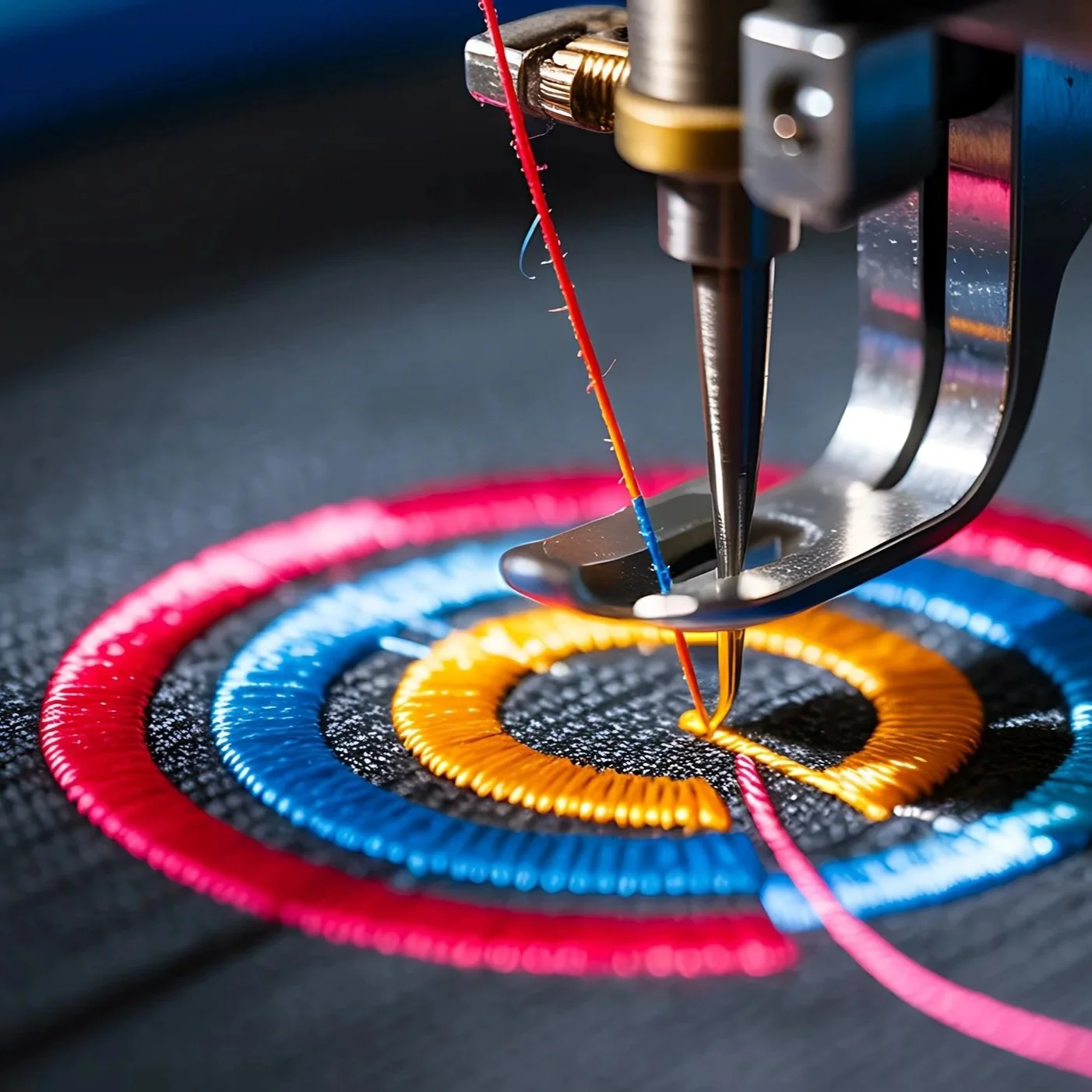
EXPERT INTERVIEW: Innovating Sustainability Through Innovation and Waste Transformation with Chris Dearing of COATS
The Urgent Need for Sustainability at Scale
The transformation at Coats provides a vital blueprint for the wider textile and apparel sector. True sustainability cannot be achieved in silos. As Dearing emphasised:
“Cross-industry collaboration is the engine of meaningful change. Brands, machinery suppliers, chemical providers, and fibre producers must act as an interconnected ecosystem”
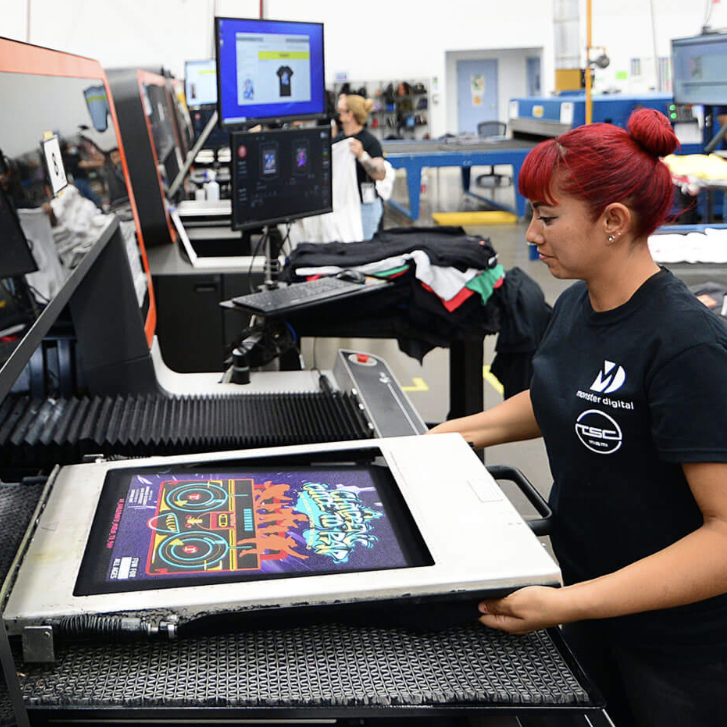
EXPERT INTERVIEW: Adapting Ecommerce: How Monster Digital Mastered Agile Merch Fulfilment - We interview Jaymes Clements
Today’s customers demand superior product quality, real-time data visibility, and lightning-fast turnaround times.
For large-scale garment decorators, managing these expectations while balancing seasonal demand fluctuations - such as the massive surges seen during Black Friday - presents a monumental challenge.
"Relying on transactional vendor relationships and outdated legacy equipment is no longer sufficient to secure long-term stability and growth.”

INDUSTRY INSIGHT: From Design to Fabric: Does Printing Method Matter? A Designer Perspective from Alessandra Olisia Medeiros
Printing method is never a secondary detail. It shapes the entire life cycle of a product, from concept to customer. In today’s fashion industry, where margins are tighter and speed matters more than ever, technical knowledge has become a competitive advantage.
“The future of textile design belongs to professionals who can combine creativity with execution, aesthetics with practicality, and vision with production reality”.
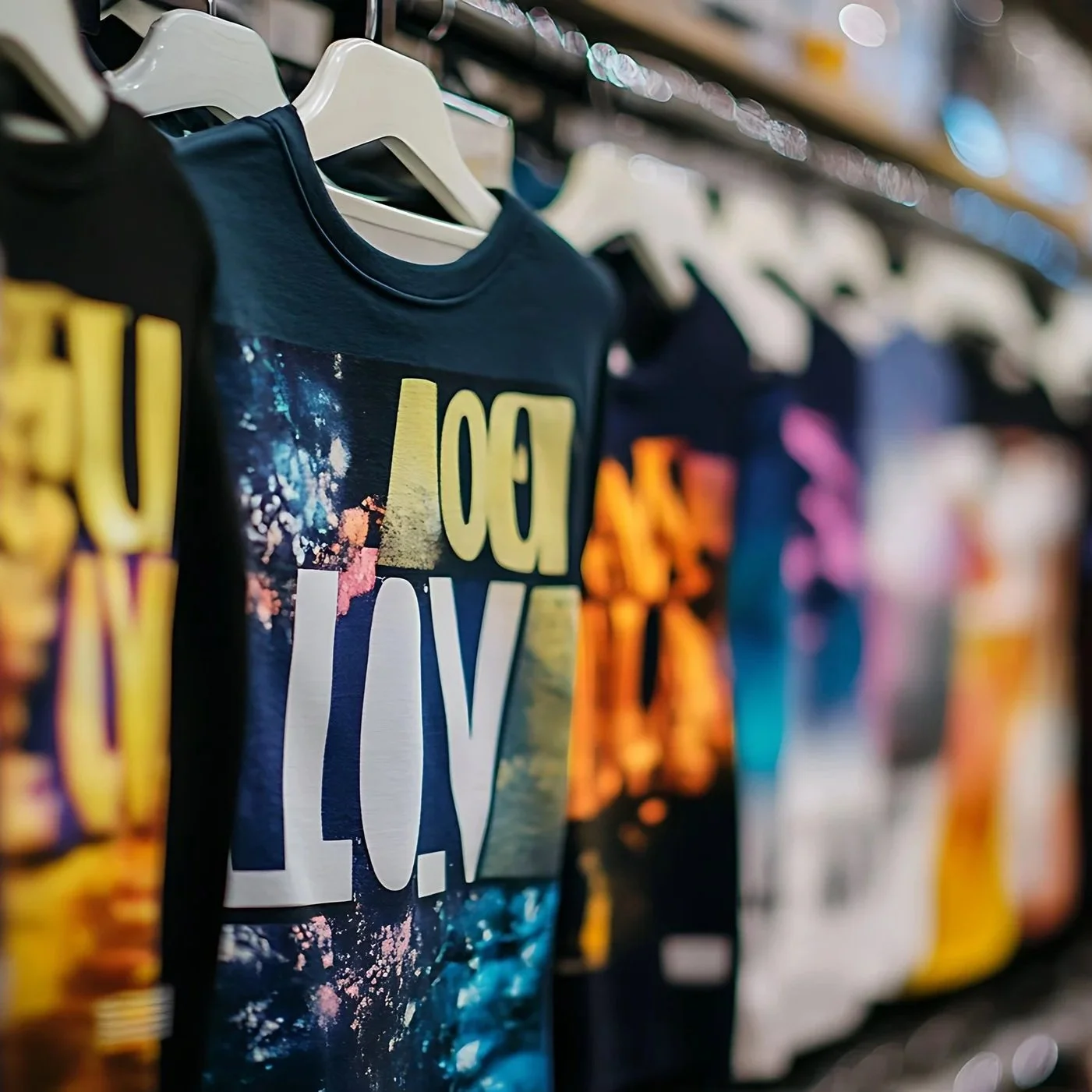
INDUSTRY INSIGHT: A Blueprint for Mastering High-Value, On-Demand Digital Garment Decoration
Today’s consumers do not just want a printed t-shirt. They demand high-quality, sustainable, bespoke products delivered with the frictionless transparency of an Uber ride or an Amazon parcel.
“To capture premium margins in this crowded, accelerating marketplace, garment decorators must move beyond apparel and embrace a new frontier of end-to-end automation, hybrid technologies, and ethical production”.
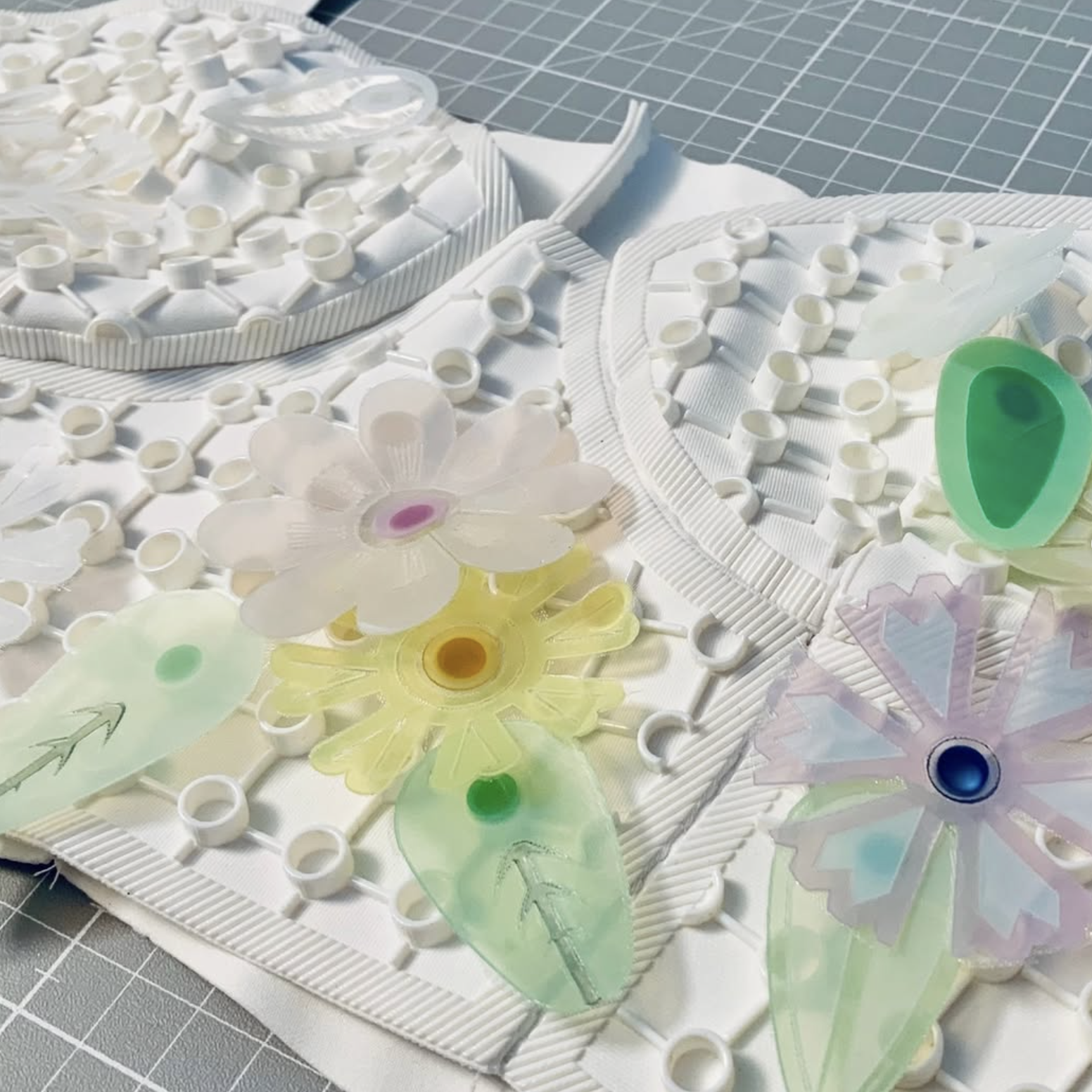
INDUSTRY INSIGHT: The Future of Merch is Personal: How Adaptive Manufacturing and 3D Embellishment are Innovating Print
Are we witnessing the reinvention of Merch driven by adaptive, digital technologies?
The commercial opportunity presented by printed, personalised merchandise is already a lucrative revenue stream; it is the core driver of growth in a multi-billion-pound industry. And the mandate for print businesses is clear: automate, adapt, and offer undeniable added value, or choose to gradually lose market share.

INDUSTRY INSIGHT: A Measured Perspective on Powderless DTF Chemistry, Cost, and Production Reality - Dr. Madhu Kaushik
Powderless DTF is an important area of innovation. It deserves research, investment, and thoughtful development.
“But at its current stage, it often feels like the industry is attempting to commercialize the concept ahead of the underlying chemistry and system readiness”.

INDUSTRY INSIGHT: Leveraging AI Software to Increase Profitability and Scale Agile Print Production - Automate or Get Left Behind
All Apparel Manufacturers face an Urgent Mandate: “Automate or be Left Behind”.
Industry leaders like Super Nova Sports and Ryozo International were struggling with severe pre-press bottlenecks and unsustainable fabric waste. By integrating AI Sublimation Software into their workflows, these forward-thinking businesses eliminated manual variable data entry, boosted fabric efficiency to over 80%, and reduced delivery times by more than half, establishing a highly profitable, agile, and environmentally responsible production model.
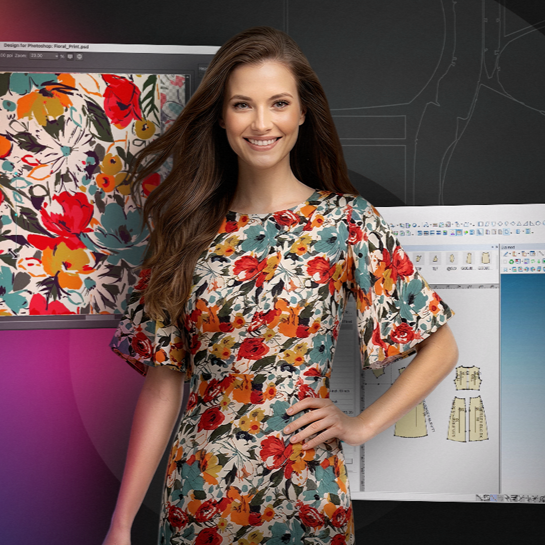
CASE STUDY: Connecting Design and Manufacturing Across Industries using NedGraphics X Optitex
The Future of Manufacturing belongs to those who Embrace Connected Digital Ecosystems
“Whether you produce garments, car interiors, or home furnishings, the transition from creative concept to production-ready product often remains fragmented. Design teams work tirelessly to develop compelling materials, yet technical teams struggle to interpret these visions without losing data along the way.”

EXPERT INTERVIEW: The Future of Wallcoverings - We Interview Paul Restarick to Explore Epson Resin Printing
The European digital wallcovering marketplace is expanding at an impressive rate.
“For print professionals and interior designers, this transition presents a distinct set of challenges. Achieving flawless colour consistency, managing complex substrates, and meeting stringent environmental standards are no longer optional extras; they are fundamental requirements for commercial success.”

INDUSTRY INSIGHT: What Does It Really Take to Convert Your Website for AI Search? And Why you Need to Read This?
If you're looking to optimize your website for AI search, hang onto your cowboy hat. It's the Wild West out there. Former (and current) SEO companies see the handwriting on the wall as more search moves from traditional SEO to AEO (answer engine optimisation). Opportunists are popping out of the woodwork.
(There are good options out there, but vet them carefully.)

INDUSTRY INSIGHT: Why Colour Consistency is the Hardest Part of Making a Product and the Business Case for Getting Colour Right
A swimsuit might start life as a sketch. By the time it reaches the shop floor, dozens of hands have touched it - designers, dye houses, printers, trim manufacturers, quality controllers. Each one interprets colour in their own way, under their own conditions, with their own tools. The result is often a product that looks nothing like the original vision.

EMERGING TECH: New Developments Are Encouraging for the Future of Wearables: Devices, Clothing, and More
A New Approach to Smart Fabric
“As you think about the characteristics of your wardrobe, integrated technology will increasingly become a deciding factor as to what you buy and wear, expanding the capabilities of apparel to meet needs perhaps you didn’t even know you had.”
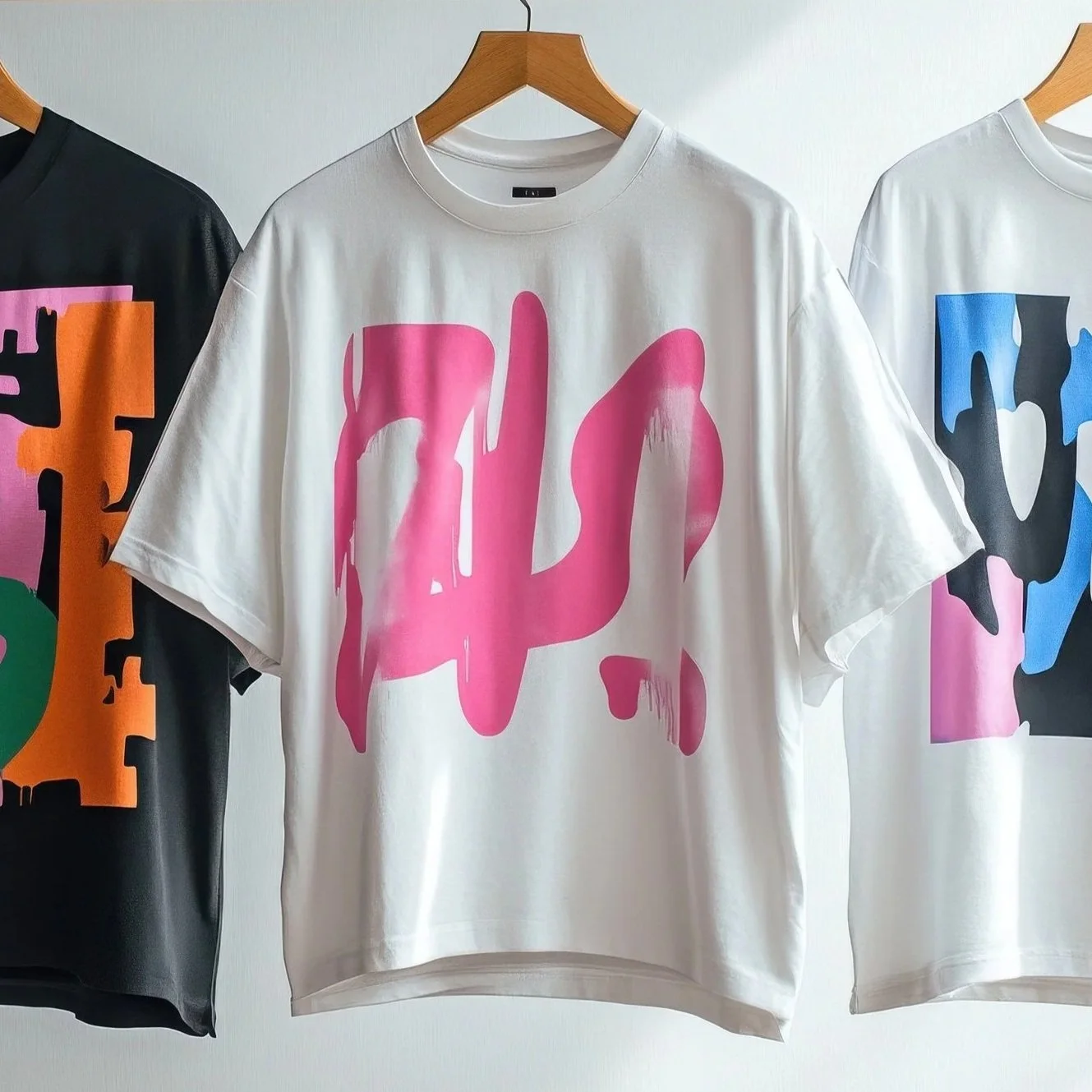
INDUSTRY INSIGHT: DTG and DTF Decoration: Technologies for Added Value and Improved Profitability
The latest innovations offer compelling solutions to long-standing challenges: reducing setup times, eliminating minimum order quantities, and delivering exceptional print quality across diverse fabric types.
For many print businesses, the challenge is how quickly you can integrate these technologies to maintain competitive advantage in an ever-evolving ecosystem.