INDUSTRY INSIGHT: Techtextil and Texprocess 2026: Navigating Market Shifts Through Speed, Connectivity, and Sustainable Innovation
The textile industry is undergoing a vital transformation.
“As the insights from Techtextil and Texprocess reveal, the path forward relies on a combination of sustainable hardware, intelligent chemistry, and seamless digital workflows.”
WRITTEN BY DEBBIE McKEEGAN | CEO | Texintel
Volatile market developments are driving lasting changes in business models across the textile supply chain. Connectivity, flexibility, and speed are now the ultimate success factors for businesses navigating this complex environment. Recently, Techtextil and Texprocess demonstrated exactly how these critical innovations are moving from concept to industrial use.
With over 36,000 visitors and 1,700 exhibitors from 112 countries, the events proved to be a vibrant breeding ground for new material solutions and processing technologies. The convergence of research, industry, technology and application highlighted that natural fibres, performance apparel, and AI-driven systems are rapidly emerging as key growth markets.
From technical textiles to connected, demand-driven systems, the industry is seeking to reduce its dependence on fossil fuels while boosting agility. During the event, we spoke with the industries innovators to uncover the technologies offering key manufacturing solutions.
Sustainable Production on an Industrial Scale
A major shift in the industry is the push to implement sustainable practices at a massive scale. Energy reduction and water conservation are top priorities for high-volume manufacturers.
At Zimmer Austria, the focus is squarely on bringing efficient, environmentally friendly solutions to the industrial environment. Zimmer operates across key technical textile markets, most notably in high-speed carpet and floorcovering production and military camouflage / defense textiles. The introduction of the all-new COLARIS-TeX serves as a definitive response to industry-wide challenges, delivering a technology that seamlessly integrates environmental stewardship with industrial efficiency.
As Andreas Rass, Sales Director at Zimmer Austria stated: "The biggest leverage for having a more sustainable textile industry is the consumer...giving them products which are sustainable and designed for longevity." [Watch the interview]
Circularity at Scale: Redefining Waste as a Springboard
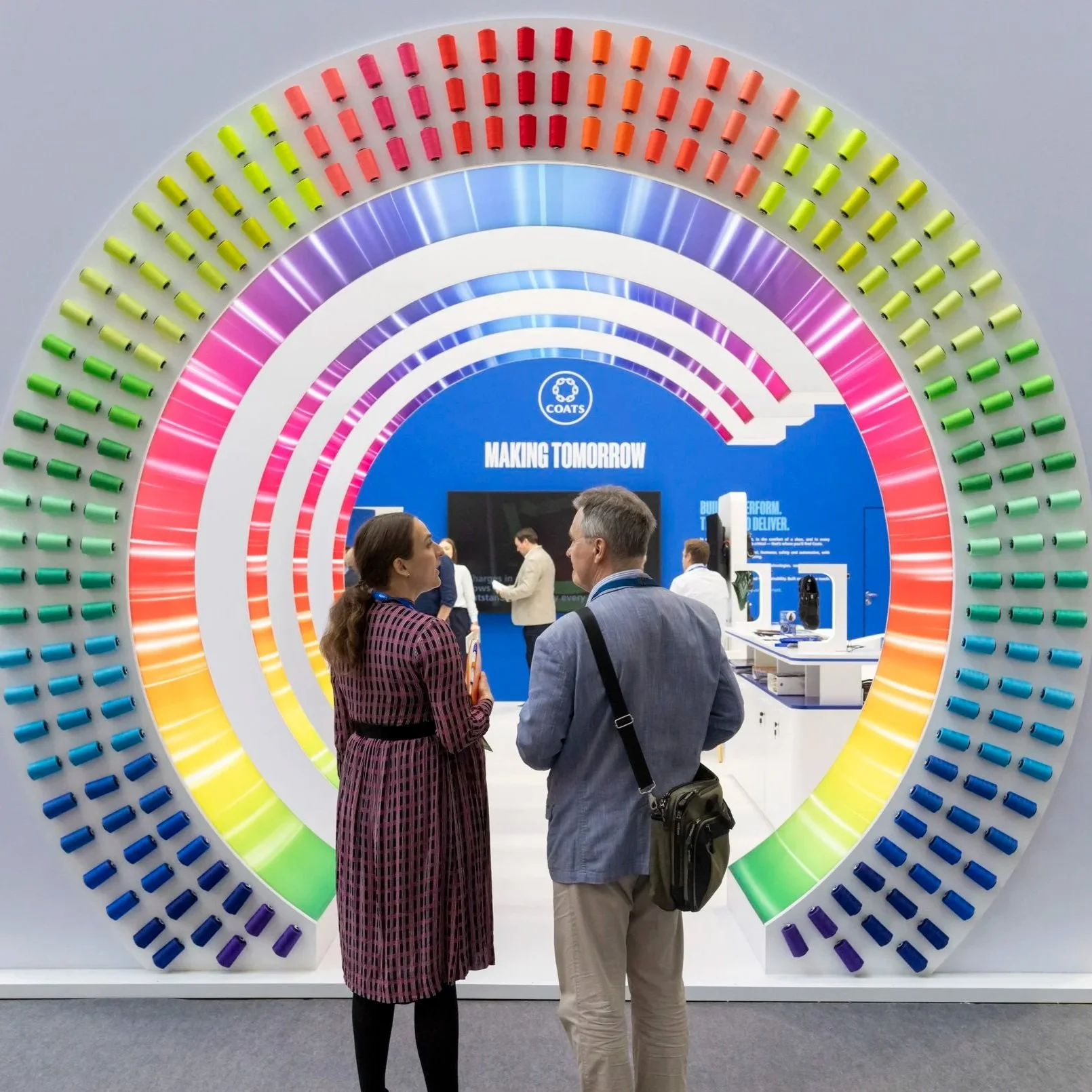
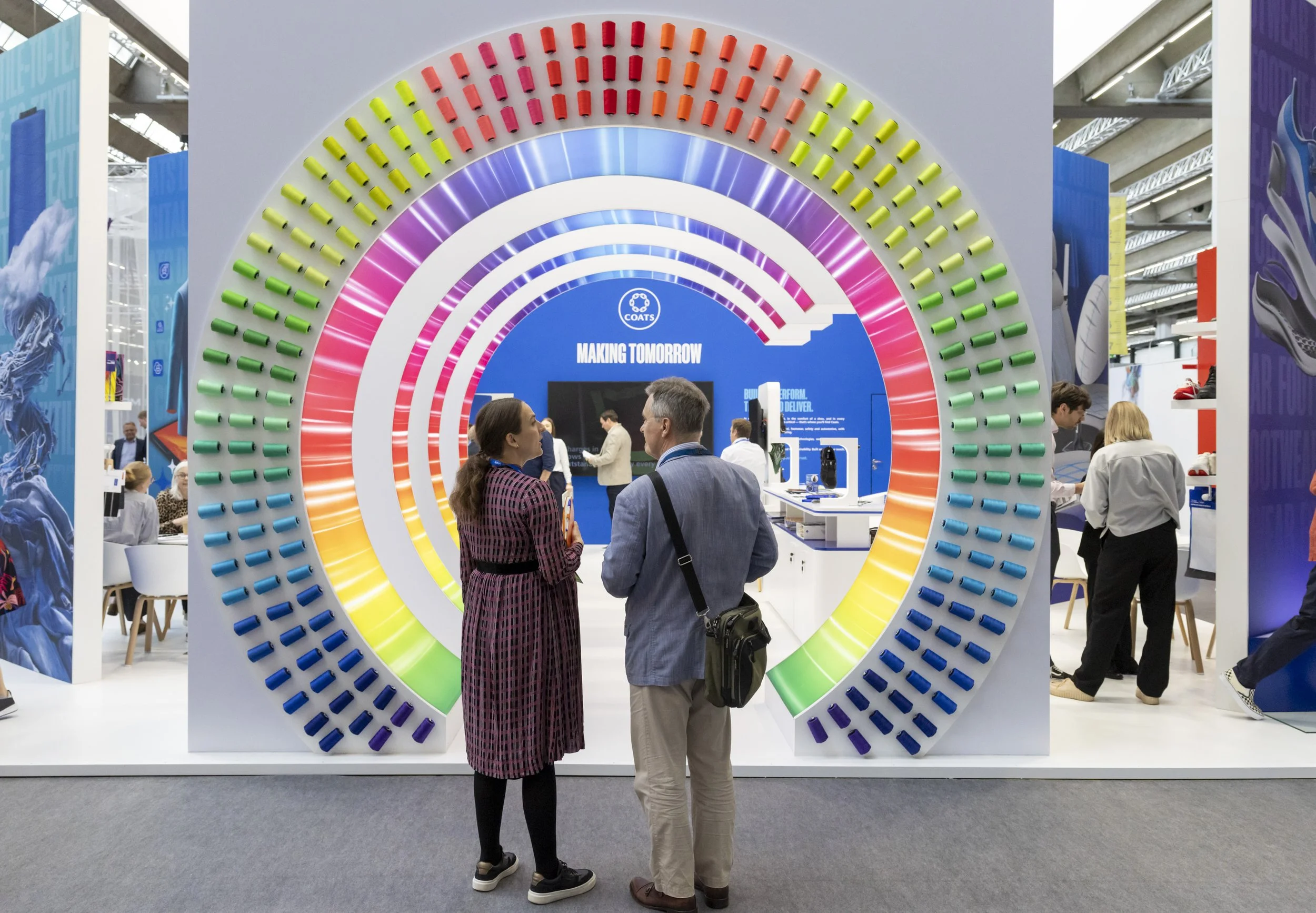
Sustainability can no longer be a secondary initiative; it must be ingrained into a brand's DNA. Coats, a global leader with approximately 20,000 employees, is setting aggressive targets, including a transition to 100% renewable electricity by 2030 and advancing textile-to-textile recycled threads that match the technical performance of virgin polyester.
A critical shift in mindset is required to move from a linear "take-make-waste" model to a circular economy. Chris Dearing of Coats explained how they approach this monumental challenge: "We kind of ask the question: what if waste is not the end of the story, but it's actually a springboard for a new story?" [Watch the interview]
3D Printing and Mechanical Adhesion
Personalisation and circularity are reshaping how we view garment lifecycles. Brands are increasingly looking for ways to manufacture on-demand or upcycle existing products to prevent them from reaching landfills.
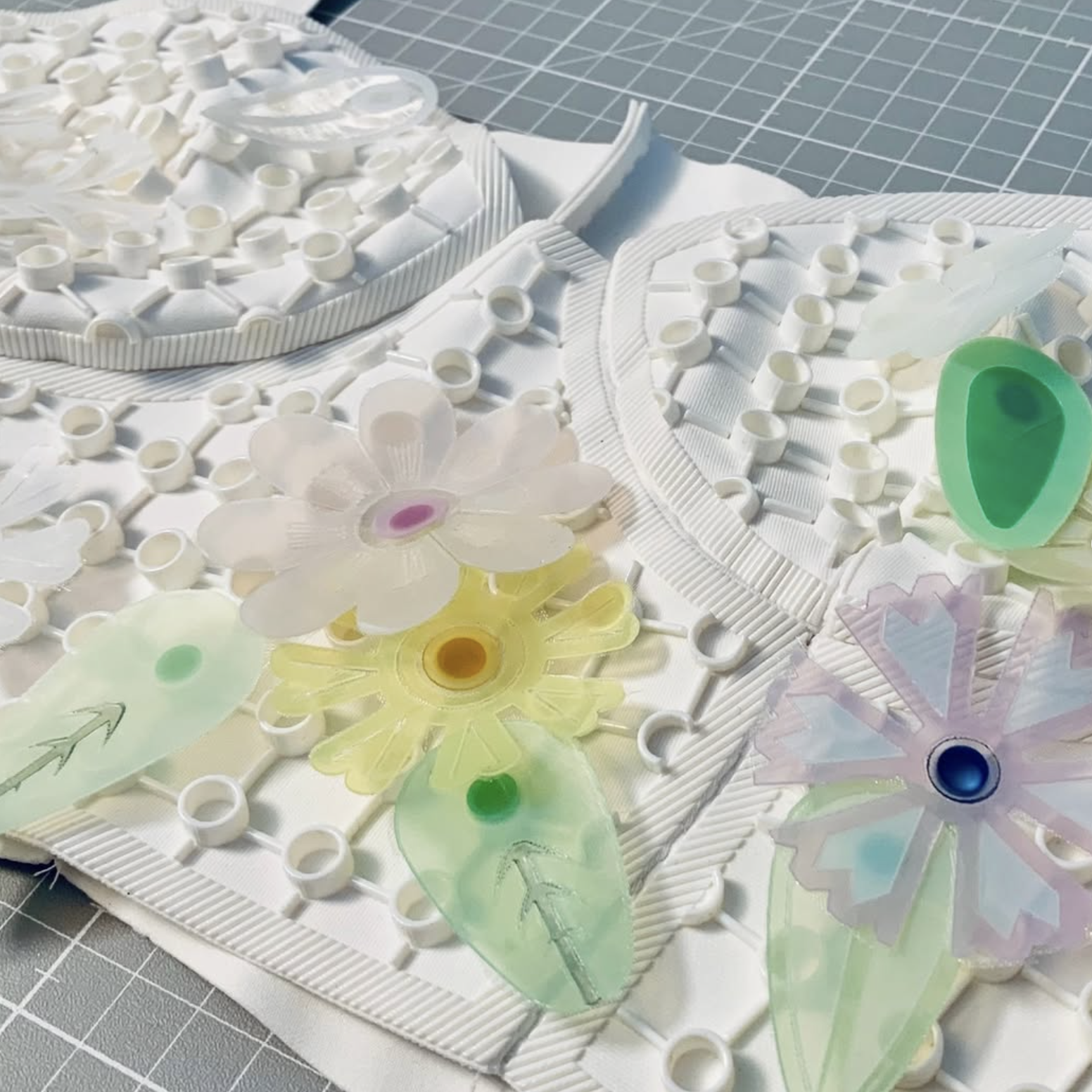
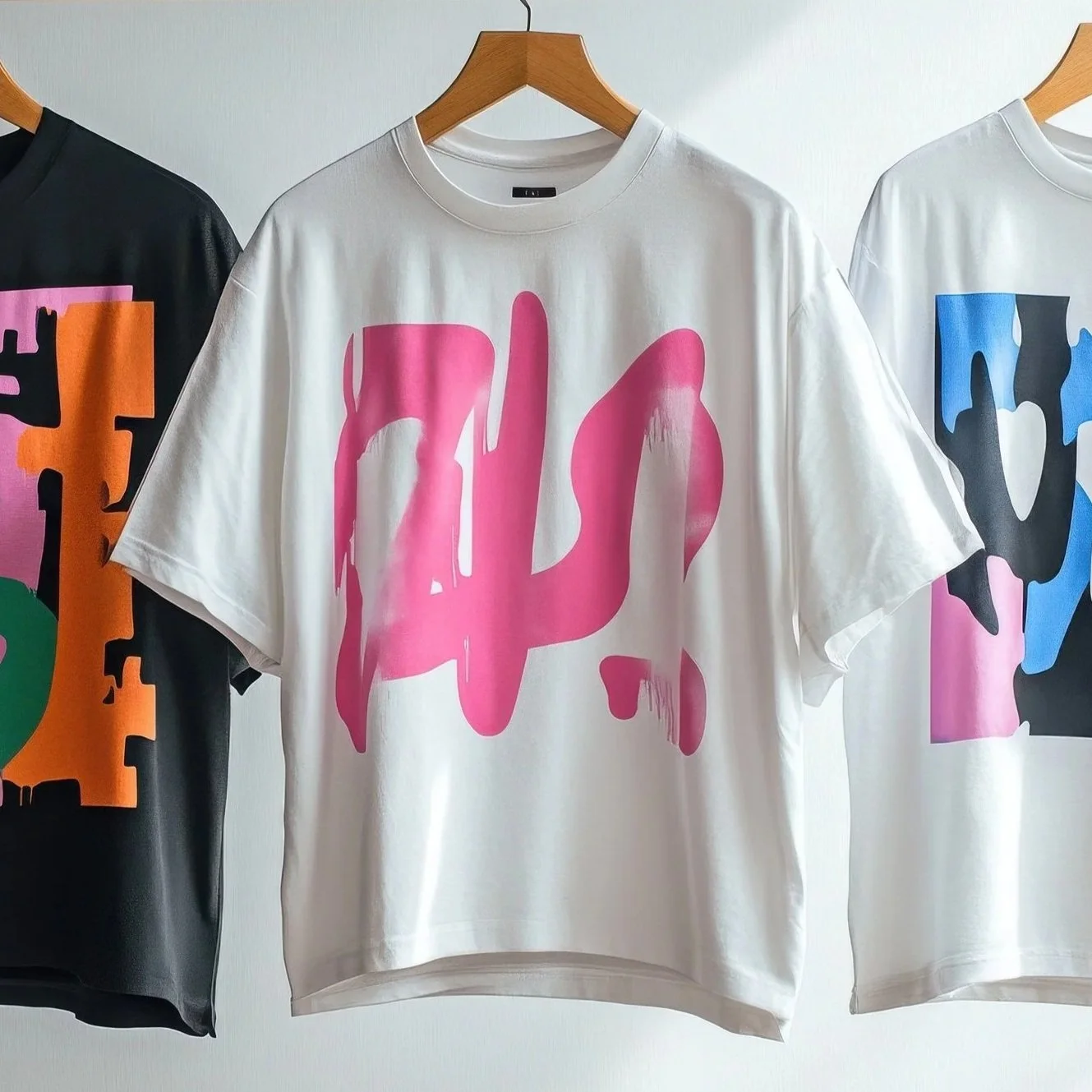
Stratasys is pushing the boundaries of what is possible with direct-to-textile 3D printing. Their technology uses acrylic-based photopolymers cured by UV light to create a strong mechanical adhesion directly with the fabric fibres. This innovation spans from haute couture to automotive interiors and defence applications. Speaking on the value of this agility, Zehavit Reisin, Senior Vice President at Stratasys, noted: "Because we print exactly what's needed, customised, personalised. That might be giving a second life to a pair of jeans. Why throw them away when you could add a decorative element and enjoy an additional year with them. For apparel garment decoration, that might be personalisation at an industrial scale, created on demand with no waste" [Watch the interview]
Streamlining Technical Textiles
The demand for high-performance textiles - particularly in sportswear, footwear, and military applications is driving the need for smarter chemistry and simplified production steps.
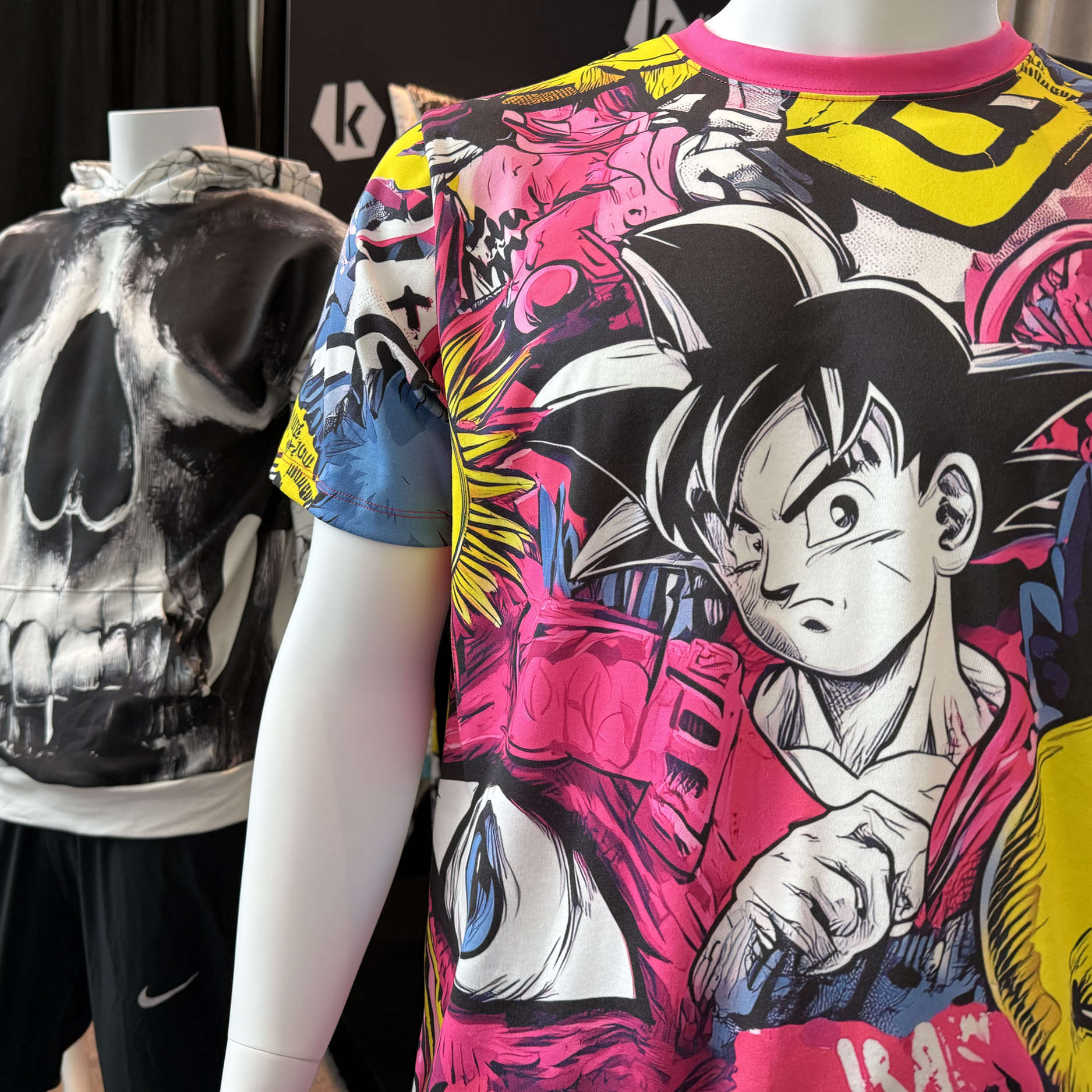
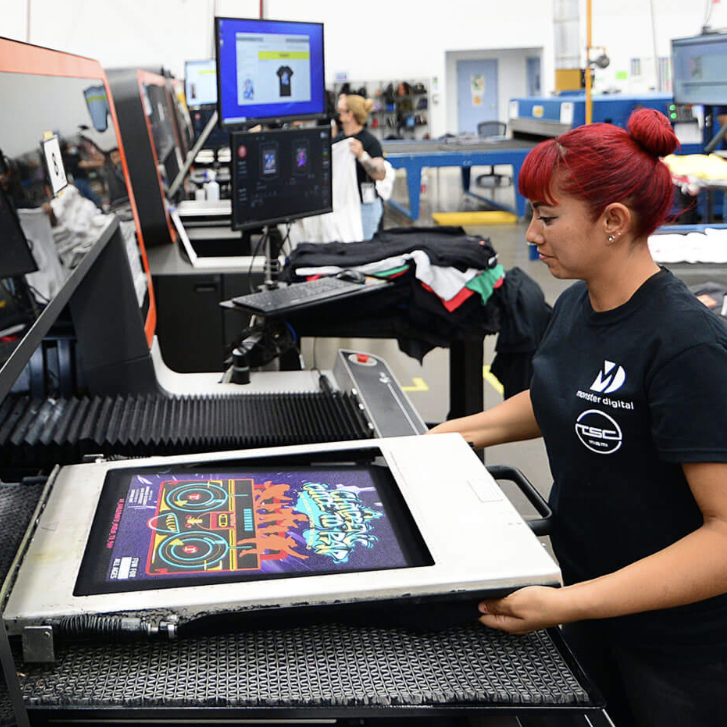
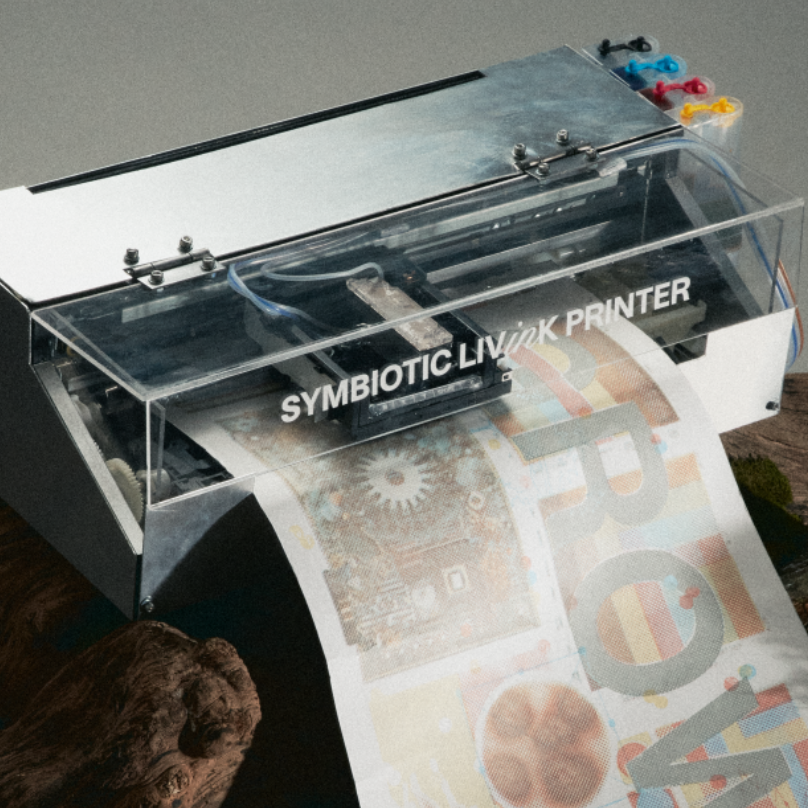
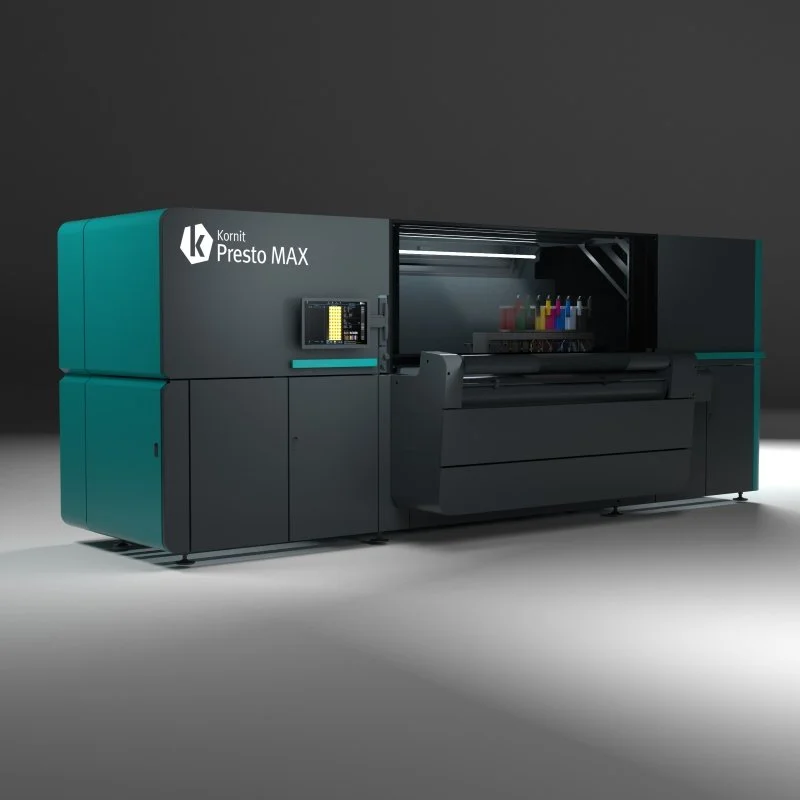
Kornit Digital is addressing this with their Presto Max Plus, moving towards single-step digital solutions that replace cost-intensive analogue processes. By introducing a new polymer that enhances abrasion resistance without compromising elasticity, they are unlocking new possibilities for technical textiles like compression wear and military camouflage. Giovanni Pizzamiglio of Kornit Digital highlighted the creative potential of this streamlined approach: "It's always a combination of technology and creativity. And I think that Kornit is taking that really to the most advanced." [Watch the interview]
Building a Seamless Digital Workflow
Waste in the apparel industry isn't just about discarded fabric; it is also about wasted time, energy, and resources due to disconnected processes. Connecting the silos between textile design, pattern making, and final production is crucial for a modern supply chain.
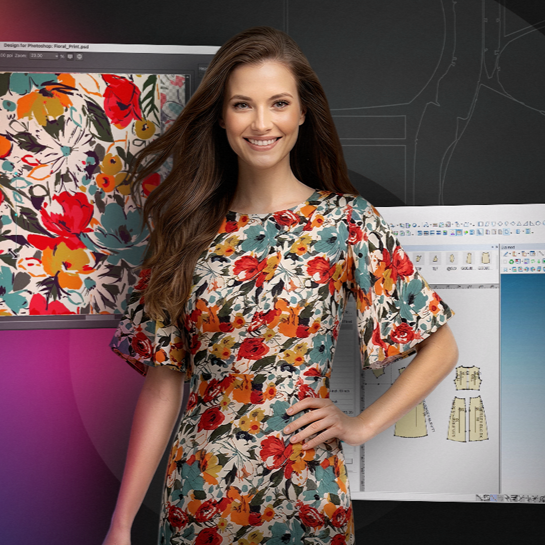
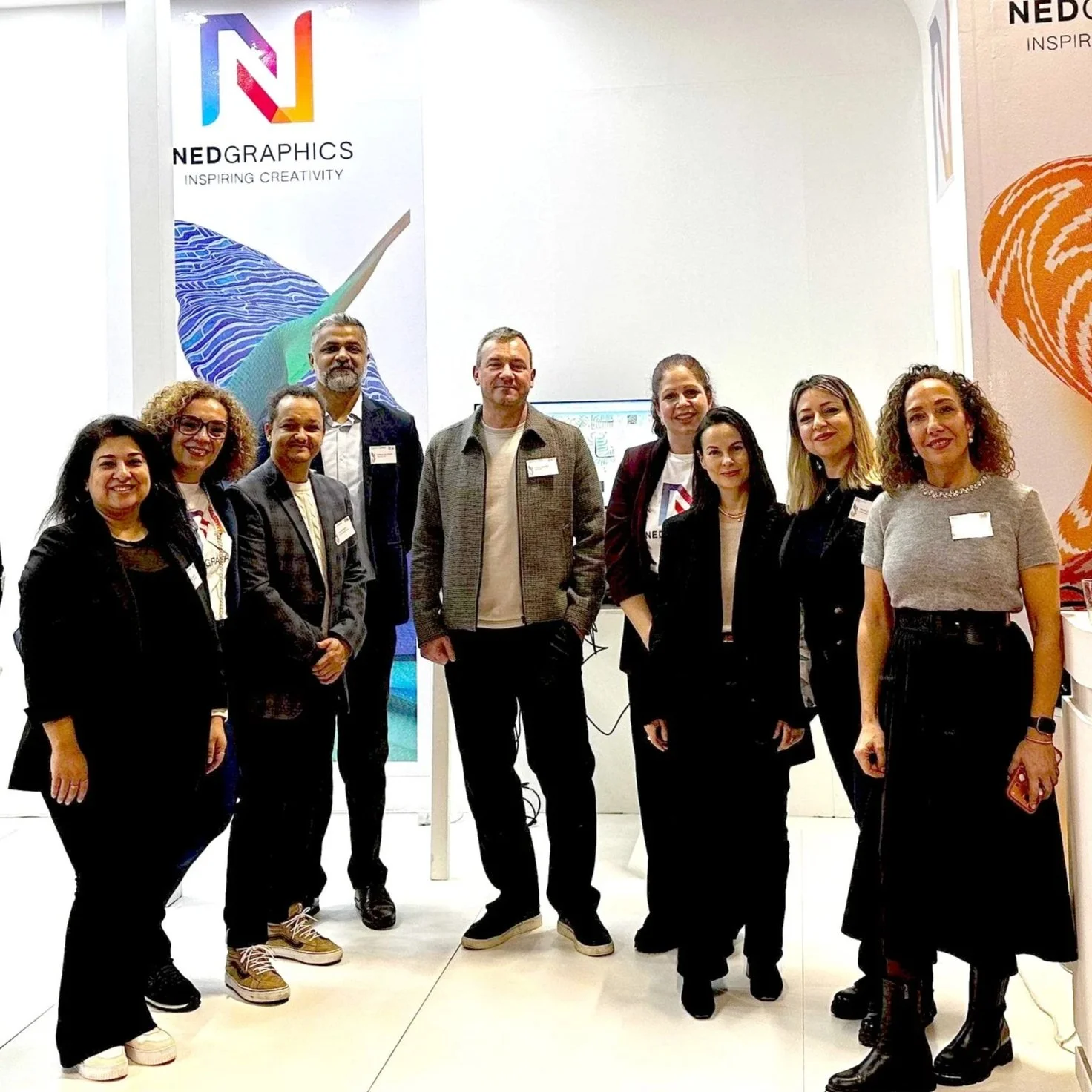
The presence of NedGraphics and Optitex at the show highlighted the power of a fully integrated digital workflow. By carrying digital specifications seamlessly from design to production-ready patterns, brands can drastically reduce physical sampling and manufacturing errors. Frank Maeder explained the value of this connectivity: "We don't have to do this [physical sampling]. We can go straight from digital into digital... by connecting all of these constituents, you can create that accountability all the way through and that visibility." [Watch the interview]
VeriVide's innovations further underscore the importance of digital precision within the fashion and textile industries. Their advanced tools, such as DigiEye and bespoke colour assessment solutions, ensure unparalleled accuracy when it comes to colour consistency and quality control. These technologies empower brands to maintain exacting standards across global operations, streamlining decision-making and reducing waste. Adam Deakin, Managing Director of VeriVide, emphasised this point, stating, "Our solutions enable brands to trust their digital data, bridging the gap between creativity and manufacturing with unmatched accuracy." [Watch the interview]
Embracing a Connected Future
The textile industry is undergoing a vital transformation. As the insights from Techtextil and Texprocess reveal, the path forward relies on a combination of sustainable hardware, intelligent chemistry, and seamless digital workflows.
From Zimmer's industrial-scale energy reductions and Stratasys's on-demand 3D embellishments, to Kornit's single-step technical printing and the unified digital ecosystems of NedGraphics and Optitex, the tools for change are here. To stay competitive, brands and manufacturers must adopt these innovations, moving away from fragmented, wasteful processes towards a truly connected, circular economy.
Visit Fespa Global Expo 2026 in Barcelona 19th-22nd May
Are you ready to elevate your apparel production workflow and capture high-value margins? Discover how tailored automation and digital decoration solutions can transform your business at the Fespa Global Expo in Barcelona, 19th - 22nd May 2026